If you spend more nights in guesthouses and co‑working hubs than in your very own bed, first aid is not a theoretical ability. It is the distinction between a wrecked trip and a convenient scare, between a story you tell later on and a circumstance that never obtains that chance.
As a long term traveler and instructor, I have actually seen extra avoidable emergency situations than I care to count. Sprained ankles on volcanic gravel. Scooter collisions on exotic islands. Gastrointestinal disorder on over night buses. Dehydrated hikers that assumed "it's just a 2 hour trail." In nearly every situation, someone nearby can have made the end result easier, quicker, and much less frightening with basic first aid and CPR training.
Fast first aid courses are developed for exactly the kind of person who is constantly en course. You may not have a free weekend to sit in a class, but you still need the skills. The bright side is that you can get solid first aid and CPR training in a compressed style without sacrificing top quality, if you select well and recognize what to expect.
Why vacationers require greater than "sound judgment"
Travel amplifies tiny issues. A small cut in a nation with restricted access to tidy dressings develops into a stubborn infection. An easy fainting episode at a train terminal becomes a complete range panic if no one knows basic CPR or exactly how to place an individual in the recuperation setting. A believed allergic reaction on a ferryboat ends up being a race versus the timetable.
On the roadway, you deal with details facts:
You are typically much from sophisticated medical care. In some regions, the local center could be an hour's drive, and the closest healthcare facility numerous. Air emptying, if available, is exceptionally expensive.
You take care of strange settings. New foods, different web traffic patterns, variable hygiene criteria, unknown wildlife, and experience tasks all elevate danger in means you can not fully predict.
You rely upon unfamiliar people. When you travel solo or work from another location, individuals around you alter continuously. You can not think any person nearby has first aid or CPR training classes under their belt. Occasionally you are the only one with any appropriate knowledge.
This is why a strong first aid course is not simply for overviews, parents, or instructors. For travelers and electronic nomads, it belongs to your core toolkit, appropriate alongside traveling insurance coverage and a back-up credit card.
What "fast" actually indicates in first aid training
The phrase "fast first aid course" sounds almost as well excellent. The issue I hear most from travelers is: can a fast first aid course or fast CPR courses really show me what I require to recognize, or is it simply a rushed certificate factory?
There are 3 common layouts:
Express first aid courses that press basic web content into a much shorter, extra intensive session. Blended first aid and CPR courses that divided on the internet theory and in‑person practice. Fast refresher courses for people who currently hold a first aid certificate.A fast first aid course can still fulfill national or international criteria, as long as:
The company is recognized or follows identified standards, as an example, those of significant resuscitation councils in your region.
You get hands‑on method, not just slides and videos. Even in an express first aid course, you need time on manikins, bandaging, and practical scenarios.
Assessment is significant. That can be practical presentation, scenario job, or a brief composed test, yet something should examine that you understood.
Fast certification is not a faster way around capability. It is a different way of organizing the exact same understanding, made for individuals that can not devote to longer conventional schedules.
When you see marketing phrases like fast first aid training, fast cpr, or fast first aid courses near me, go into the details. The time on the flyer is just one variable. The genuine inquiry is whether the course gives you enough repetition and feedback to develop skills you can in fact use.
Types of fast courses that match travelers
For people that relocate constantly, specific styles have a tendency to fit much better than others. For many years I have seen electronic nomads and constant flyers gravitate toward four broad categories.
Express first aid courses
These are short, focused sessions that normally run for half a day to one complete day. They cover core first aid abilities: dealing with bleeding, fractures and sprains, burns, shock, fainting, bronchial asthma, allergic reactions, and typically fundamental CPR.
The express first aid training design works well if:
You have actually never done a course and need a solid foundation. You want an identified first aid certificate for volunteer or freelance job. You remain in a major center city in between journeys and can save a solitary day.
Trainers typically raise the speed by cutting prolonged talks and making use of scenario‑based teaching. As an example, as opposed to explaining the physiology of shock for half an hour, they simulate a mobility scooter collision outside the classroom and have you manage it, then debrief. For adult students that take a trip, this style is usually more appealing and memorable.
Fast first aid and CPR courses
Sometimes labeled first aid and CPR course or first aid and cpr training classes, these combine general first aid with concentrated CPR training, frequently including AED usage. They could run in Discover more one long day or split over a night and a morning.
If you are often in remote co‑working rooms, live in high‑rise structures abroad, or spend time in position where emergency response is sluggish, I strongly suggest a mixed first aid and CPR course instead of first aid alone. Breast compressions really feel straightforward when you see a video. They really feel extremely various when you get on your knees close to a real person.

Fast cpr courses still require time for practice. A reliable fitness instructor will have you switching roles throughout CPR drills, exercising on different manikins, and using training AEDs numerous times, not once.
Express CPR training and fast CPR refresher courses
Maybe you currently did a full first aid course prior to you left your home nation. Two years later on, you hardly remember the number of compressions to give or how to adjust CPR for a youngster. Abilities fade fast if you do not utilize them.
This is where express cpr courses or a fast cpr refresher course make good sense. These are commonly two to four hours long and concentrate almost entirely on CPR and AED abilities, often with choking procedures. For many travelers, reserving an express cpr course throughout a month in a major center is a useful means to keep skills alive.
Good refresher sessions seem like an exercise greater than a lecture. Anticipate to leave a little sweaty and exhausted, with aching knees, and a lot more confident than when you strolled in.
Express childcare first aid courses
If you are a traveling family, an au set, or a remote employee that sometimes aids with childcare abroad, a general first aid course is not nearly enough. Children are not simply tiny grownups, and babies are different again.
Express child care first aid courses, occasionally called express childcare first aid training, concentrate on:
Choking in infants and toddlers. Fever administration and febrile seizures. Usual youth injuries in travel atmospheres. Pediatric CPR and recovery positions.
These express child care first aid courses can be remarkably portable, frequently a half day, because they presume you already have some general first aid expertise or integrate vital grown-up material with pediatric specifics. For nomad parents and long‑term residence sitters, I rate this as essential training, not a luxury.
Online, mixed, and face‑to‑face: which fits traveling life
Travelers like the concept of managing whatever online. Regrettably, first aid and CPR training is one location where pure concept courses do not supply the self-confidence you require in actual emergencies.
Here is just how the primary alternatives compare for people regularly on the relocation:
Online only first aid courses and CPR courses work for awareness. They can freshen your memory on subjects like indications of stroke, warmth exhaustion, or standard injury treatment. They are better than nothing, especially when you remain in a remote village and can not access in‑person training. Nevertheless, without hands‑on method, skills like breast compressions, safe person motion, and spine care remain abstract.
Blended fast first aid courses divided content in between on-line modules and in‑person abilities sessions. You might do three hours of online theory in a hostel or co‑working space, after that attend a a couple of hour useful session when you get to a city. This framework fits electronic nomads effectively. You can overcome videos and quizzes at your very own rate, after that focus completely on technique throughout the short face‑to‑face workshop.
Fully face‑to‑face express first aid training compresses whatever into a single intensive session. These are ideal when you recognize you will certainly be in one area for an assigned day, for instance throughout a visa run or planned co‑living stay. The live layout additionally lets trainers adjust to your truths: they can imitate situations relevant to backpacking, motorbike services, remote walking, or coworking spaces.

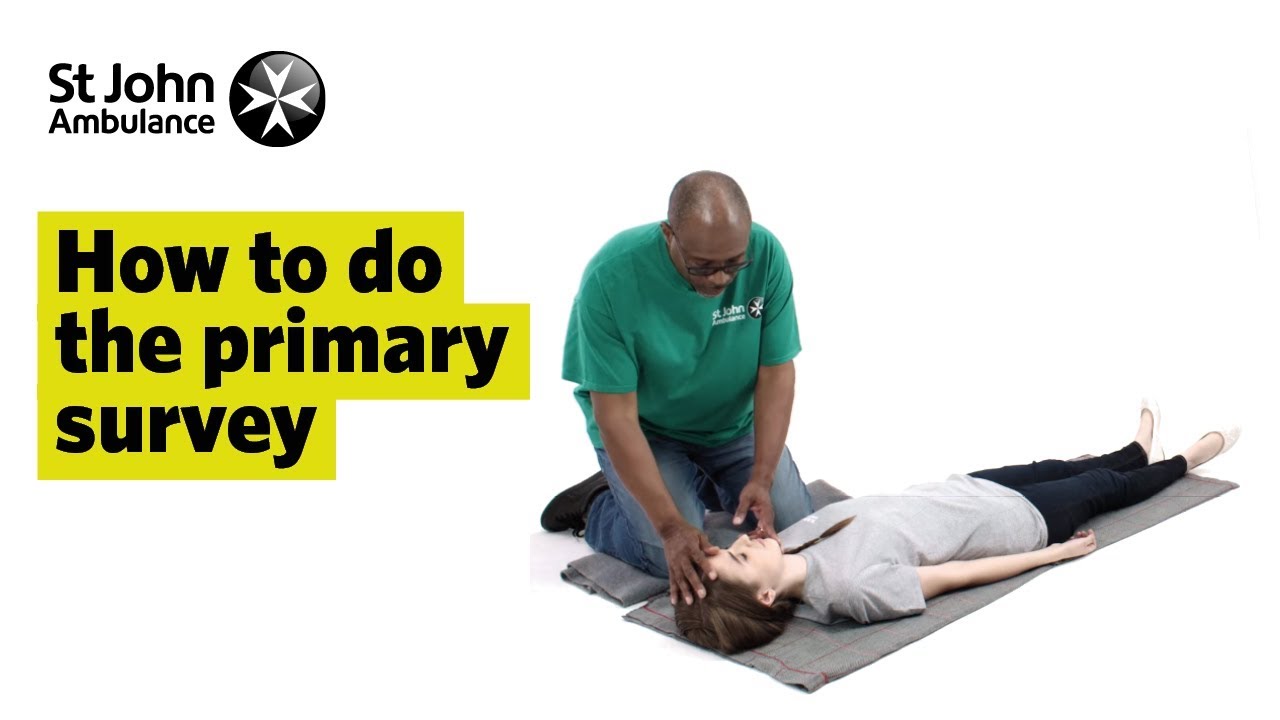
Personally, I advise combined or extensive in‑person fast first aid courses over online‑only options, particularly for first training. You can always utilize electronic resources later to keep and grow what you learned.
What to seek in a fast first aid course provider
Not all fast first aid training is produced equivalent. Advertising and marketing language can be charitable, and it is very easy to puzzle a glossy website with strong instruction. When you examine companies in a city you are travelling through, focus on a few critical points.
First, accreditation and acknowledgment. Does the first aid course comply with requirements from a recognized authority, such as a nationwide resuscitation council, a significant humanitarian company, or a government regulatory authority? The exact body differs by nation, yet a reliable provider will discuss whose guidelines they follow.
Second, instructor experience. Ask who teaches the course. Experienced instructors often have backgrounds as paramedics, nurses, wilderness guides, lifeguards, or similar duties. Travelers take advantage of trainers who can speak about improvisated options, restricted sources, and actual travel scenarios, not just textbook workplace incidents.
Third, course size and devices. Compressing material is one thing. Crowding thirty individuals around a solitary manikin is one more. An excellent fast first aid course keeps the trainer to pupil proportion manageable and offers enough training gear that you spend a lot of the sensible session doing, not watching.
Fourth, versatility around language and context. If you remain in an area where you do not speak the main language, verify whether the course runs in English or supplies bilingual guideline. Also ask whether the scenarios and instances attend to scenarios travelers deal with: roadway incidents, water tasks, trekking, food hygiene problems. Common company case studies about storage facility injuries are less relevant.
Finally, clear certification details. If you need a first aid certificate for work or visa functions, verify the exact document you will get, its credibility period, and whether it can be verified online. Some nations are particular regarding length and material, especially for jobs that involve youngsters or higher danger environments.
A fast pre‑course checklist for nomads
Here is a short list you can run through prior to you dedicate to any kind of express first aid course or express cpr training while abroad:
Confirm the course language and that you will certainly understand all assessment components. Check certification or the conventional followed, and whether the certificate is identified where you may require to existing it. Ask about course dimension, manikin numbers, and how much of the scheduled time is hands‑on practice. Clarify what topics are covered, particularly CPR, AED use, choking, and common travel injuries. Make sure the timing fits your traveling timetable, consisting of any type of possible overruns for assessment or questions.Spending ten minutes on these concerns prevents you from squandering a rare cost-free day on a poor quality program that offers you bit greater than a piece of paper.
Making abilities stick when you are constantly on the move
The hardest part for most travelers is not the first aid course itself. It is keeping the expertise to life when you are constantly altering countries, routines, and time zones.
Research and experience both tell us that without technique, much of what you find out in first aid and CPR courses fades within months. You can not run full scenarios in every hostel, however you can build tiny practices that keep your skills usable.
Treat your first aid certificate as a baseline, not a finish line. After the course, schedule a brief self testimonial every number of months. That can be as straightforward as viewing a credible CPR training video and miming the compressions, or psychologically going through just how you would certainly manage a sprained ankle joint on a trail you simply hiked.
Use "near misses" as discovering triggers. If somebody in your dormitory cuts their hand opening a can, withstand need to look away. Deal help, use what you found out, and later ask on your own what felt smooth and what did not. These actual yet reduced intensity events are effective reinforcers.
If you have taken a mixed course with on-line accessibility, revisit particular components prior to trips that include extra threat, such as high altitude travelling or remote motorbike touring. 10 concentrated mins of revision on hemorrhaging control or cracks can bring key steps back to the surface.
Most importantly, book a fast CPR correspondence course or short express first aid course every number of years, ideally in a location where you plan to slow down for some time. Skills that involve accurate hand placement, stress, and timing really do need monitored technique, regardless of the number of times you have actually checked out them.
What really changes when vacationers have first aid training
People typically think first aid is just around significant, life threatening emergency situations. Those do happen. I have actually had trainees who later on used their CPR training on complete strangers in hostels and airports. The psychological weight of that is huge, but also for many vacationers, the impact of first aid training turns up in quieter ways.
Trip choices come to be more based. An electronic wanderer with strong first aid expertise will consider a mobility scooter leasing without headgears in different ways. Moms and dads with express child care first aid training think twice about remote jungle homestays throughout optimal dengue period with a kid. Awareness does not have to produce worry, yet it generally produces far better questions.
Small cases no more derail itinerary. A sprained ankle joint on a trip turns into a very carefully managed injury with compression, altitude, and suitable follow‑up, rather than an improvisated and unpleasant hobble that runs the risk of lasting damages. Dehydration from light gastrointestinal disorder ends up being a day of self-displined fluid substitute, not a blind press with a bus trip that leaves you semi mindful at arrival.
Communities become more secure. Long‑term nomads typically develop micro‑communities in co‑working rooms, co‑living homes, or repeat destinations. When numerous people because circle hold legitimate first aid and CPR training, very early response to cases improves dramatically. I have seen co‑living spaces near coastlines arrange shared express cpr training and fast first aid courses after one a lot of close phone calls in the surf. The collective confidence later was palpable.
Finally, your very own stress and anxiety declines. Understanding that you can take helpful activity in a dilemma does not make you invincible. It does, however, stop your creative imagination from spiraling each time somebody stumbles on a trail or coughings over their street food. Anxiousness feeds on vulnerability. Abilities are an antidote.
Packing a minimalist first aid package that matches your training
Your first aid training is the software. Your traveling first aid package is the hardware. They ought to match.
Many tourists bring protruding sets loaded with things they do not know exactly how to make use of, after that forget to restock fundamentals. Instead, concentrate on a compact kit that supports what you in fact discovered in your fast first aid course or express first aid pro Cannon Hill first aid course.
Here is a basic, vacationer pleasant layout that sets well with usual first aid training:
Wound care: adhesive tapes, sterile gauze pads, adhesive tape, alcohol wipes or saline cases, and a small tube of disinfectant cream. Support and immobilization: a roll of natural bandage or flexible wrap, which can support strains or safe dressings. Medications: basic pain alleviation ideal to you, dental rehydration salts, and any type of personal prescriptions in initial packaging. Protection and tools: nitrile gloves, a small CPR face guard, small scissors, and tweezers. Extras for particular journeys: if heading to remote or high threat areas, think about extra sterile dressings, an extra bandage, or things suggested by your fitness instructor or traveling clinic.Everything ought to fit in a small bag that lives in your daypack, not hidden at the bottom of your luggage. A first aid set just assists if you can reach it when you actually require it.
Where fast courses fit into a lengthy journey
If you map out a typical year of travel for a digital wanderer, there are natural home windows where first aid and CPR training fit neatly.
Visa runs and reset durations in local centers are ideal for a complete fast first aid course or integrated first aid and CPR course. You are stationary for a few days, typically near recognized training facilities, and mentally in "admin setting".
Long co‑working stays lend themselves to group express cpr training or fast cpr correspondence course. Many suppliers will certainly run exclusive sessions for little groups at your area if a number of people are interested, which conserves time and makes scenarios more relevant to your common environment.
Family gos to back home are good minutes for express childcare first aid, specifically for taking a trip parents or those preparing to take nieces and nephews abroad. Obtaining aligned with neighborhood pediatric standards additionally assists if you ever before require to collaborate with home nation health and wellness solutions while away.
If you are just beginning your nomad life and still in your home, buy a complete, identified first aid and cpr course before you go. You can rely on fast correspondence course later to keep skills updated without hunting down long programs across numerous countries.
An ability that takes a trip with you
Gear gets lost. Visas run out. Plans transform in the nick of time. Skills are what really take a trip with you, silently, in the background, into every bus station, mountain pass, flea market, and shared workspace.
A well picked fast first aid course or express first aid training will not turn you into a paramedic. It is not indicated to. What it does is bridge the harmful void between "I have no concept what to do" and "I can maintain this circumstance till proper help is available".
For tourists and electronic nomads, that bridge deserves much more than the moment and cost it requires to cross it.