If you invest even more nights in guesthouses and co‑working centers than in your own bed, first aid is not a theoretical ability. It is the difference in between a ruined trip and a workable scare, between a story you tell later and a situation that never ever obtains that chance.
As a long-term vacationer and fitness instructor, I have seen much more preventable emergencies than I like count. Sprained ankles on volcanic gravel. Scooter accidents on exotic islands. Gastrointestinal disorder on over night buses. Dried hikers who thought "it's simply a 2 hour path." In virtually every case, a person close by might have made the outcome simpler, quicker, and less frightening with basic first aid and CPR training.
Fast first aid courses are designed for exactly the sort of person that is constantly en route. You may not have a complimentary weekend to being in a classroom, however you still need the skills. The bright side is that you can get strong first aid and CPR training in a pressed format without sacrificing top quality, if you choose well and recognize what to expect.
Why tourists require more than "good sense"
Travel amplifies tiny issues. A small cut in a nation with limited access to tidy dressings turns into a persistent infection. A basic fainting episode at a train terminal ends up being a full scale panic if no person knows standard CPR or exactly how to place an individual in the recovery setting. A thought allergic reaction on a ferryboat ends up being a race versus the timetable.
On the roadway, you deal with certain truths:
You are typically far from sophisticated treatment. In some areas, the nearby center could be an hour's drive, and the closest health center numerous. Air evacuation, if offered, is exceptionally expensive.
You deal with unknown environments. New foods, various website traffic patterns, variable hygiene requirements, unidentified wild animals, and journey activities all elevate danger in means you can not fully predict.
You count on unfamiliar people. When you take a trip solo or job from another location, the people around you change frequently. You can not think any person nearby has first aid or CPR training classes under their belt. Sometimes you are the only one with any type of relevant knowledge.
This is why a strong first aid course is not just for guides, parents, or teachers. For vacationers and electronic wanderers, it belongs to your core toolkit, appropriate along with travel insurance coverage and a back-up credit card.
What "fast" really indicates in first aid training
The expression "fast first aid course" appears practically too excellent. The problem I listen to most from vacationers is: can a fast first aid course or fast CPR courses really educate me what I need to understand, or is it just a rushed certificate factory?
There are three usual layouts:
Express first aid courses that press typical material into a much shorter, extra intensive session. Blended first aid and CPR courses that split on-line concept and in‑person practice. Fast refresher courses for people who already hold a first aid certificate.A fast first aid course can still satisfy national or worldwide criteria, as long as:
The company is accredited or complies with recognized guidelines, for instance, those of major resuscitation councils in your region.
You obtain hands‑on practice, not simply slides and videos. Also in an express first aid course, you need time on manikins, bandaging, and useful scenarios.
Assessment is purposeful. That can be useful demo, circumstance job, or a brief written quiz, however something has to check that you understood.
Fast certification is not a faster way around proficiency. It is a various method of organizing the exact same knowing, designed for people who can not commit to longer conventional schedules.
When you see marketing phrases like fast first aid training, fast cpr, or fast first aid courses near me, explore the information. The time on the flyer is just one variable. The genuine question is whether the course provides you enough repeating and responses to develop abilities you can in fact use.
Types of fast courses that suit travelers
For individuals that move frequently, certain layouts often tend to fit far better than others. Over the years I have seen digital nomads and frequent flyers incline four wide categories.
Express first aid courses
These are brief, concentrated sessions that commonly compete half a day to one full day. They cover core first aid abilities: dealing with blood loss, cracks and strains, burns, shock, fainting, bronchial asthma, allergic reactions, and commonly fundamental CPR.
The express first aid training design works well if:
You have actually never done a course and require a solid structure. You desire an identified first aid certificate for volunteer or freelance work. You remain in a major center city in between journeys and can save a single day.
Trainers commonly raise the pace by trimming prolonged talks and making use of scenario‑based teaching. As an example, instead of describing the physiology of shock for half an hour, they replicate a scooter collision outside the class and have you handle it, then debrief. For grown-up students who take a trip, this design is normally much more appealing and memorable.
Fast first aid and CPR courses
Sometimes identified first aid and CPR course or first aid and cpr training classes, these integrate general first aid with focused CPR training, often consisting of AED usage. They might run in one lengthy day or split over an evening and a morning.
If you are often in remote co‑working areas, live in high‑rise buildings abroad, or spend time in position where emergency situation action is slow-moving, I highly recommend a combined first aid and CPR course instead of first aid alone. Breast compressions really feel uncomplicated when you enjoy a video. They really feel really different when you are on your knees close to an actual person.
Fast cpr courses still need time for practice. A respectable instructor will have you switching functions throughout CPR drills, practicing on various manikins, and utilizing training AEDs several times, not once.
Express CPR training and fast CPR refresher courses
Maybe you currently did a complete first aid course prior to you left your home nation. Two years later on, you hardly remember the amount of compressions to give or exactly how to adjust CPR for a youngster. Abilities fade fast if you do not use them.
This is where express cpr courses or a fast cpr correspondence course make sense. These are usually two to 4 hours long and focus virtually completely on CPR and AED skills, often with choking methods. For several tourists, reserving an express cpr course throughout a month in a major center is a useful means to keep skills alive.
Good refresher sessions feel like a Cannon Hill first aid courses workout greater than a lecture. Expect to leave a little perspiring and worn out, with aching knees, and extra confident than when you walked in.
Express childcare first aid courses
If you are a traveling family members, an au set, or a remote worker that sometimes aids with child care abroad, a general first aid course is not enough. Youngsters are not simply little adults, and babies are different again.
Express childcare first aid courses, occasionally called express child care first aid training, concentrate on:
Choking in infants and kids. High temperature management and febrile seizures. Usual youth injuries in travel environments. Pediatric CPR and healing positions.
These express childcare first aid courses can be surprisingly compact, commonly a half day, due to the fact that they presume you already have some general first aid expertise or incorporate vital adult material with pediatric specifics. For nomad parents and long‑term residence caretakers, I place this as essential training, not a luxury.
Online, combined, and face‑to‑face: which fits travel life
Travelers enjoy the idea of managing whatever online. Sadly, first aid and CPR training is one area where pure concept courses do not provide the confidence you need in actual emergencies.
Here is just how the major choices contrast for people regularly on the move:
Online just first aid courses and CPR courses work for understanding. They can revitalize your memory on subjects like indications of stroke, warm fatigue, or fundamental wound treatment. They are far better than absolutely nothing, particularly when you are in a remote town and can not access in‑person training. However, without hands‑on practice, skills like chest compressions, secure client activity, and spinal treatment continue to be abstract.
Blended fast first aid courses split content in between online components and in‑person abilities sessions. You could do 3 hours of online concept in a hostel or co‑working room, then attend a two to three hour practical session when you reach a city. This structure matches digital nomads extremely well. You can resolve video clips and tests at your very own speed, then concentrate totally on technique throughout the brief face‑to‑face workshop.
Fully face‑to‑face express first aid training presses everything into a solitary extensive session. These are optimal when you recognize you will certainly remain in one place for a designated day, for instance throughout a visa run or planned co‑living remain. The real-time layout likewise allows instructors adjust to your truths: they can mimic situations relevant to backpacking, motorcycle rentals, remote walking, or coworking spaces.

Personally, I suggest combined or extensive in‑person fast first aid courses over online‑only alternatives, specifically for initial training. You can constantly utilize electronic resources later to maintain and strengthen what you learned.
What to seek in a fast first aid course provider
Not all fast first aid training is produced equal. Advertising language can be charitable, and it is easy to confuse a slick website with solid direction. When you review carriers in a city you are passing through, focus on a few important points.
First, certification and recognition. Does the first aid course adhere to requirements from an acknowledged authority, such as a national resuscitation council, a major humanitarian organization, or a government regulator? The precise body varies by nation, however a trusted service provider will certainly discuss whose standards they follow.
Second, teacher experience. Ask who instructs the course. Experienced instructors commonly have histories as paramedics, nurses, wild guides, lifeguards, or similar duties. Travelers take advantage of trainers who can mention improvisated remedies, limited resources, and genuine traveling circumstances, not just book office incidents.
Third, course dimension and equipment. Compressing material is one thing. Crowding thirty people around a single manikin is one more. An excellent fast first aid course maintains the trainer to student proportion manageable and gives enough training gear that you spend most of the useful session doing, not watching.
Fourth, adaptability around language and context. If you are in a region where you do not talk the key language, verify whether the course runs in English or provides bilingual instruction. Likewise ask whether the scenarios and examples resolve situations vacationers encounter: roadway cases, water tasks, travelling, food health problems. Common business study regarding warehouse injuries are less relevant.
Finally, clear certification information. If you need a first aid certificate for work or visa purposes, verify the precise record you will obtain, its credibility duration, and whether it can be confirmed online. Some nations are particular regarding size and web content, particularly for work that include kids or higher danger environments.
A fast pre‑course checklist for nomads
Here is a list you can run through prior to you dedicate to any type of express first aid course or express cpr training while abroad:
Confirm the course language which you will certainly understand all analysis components. Check accreditation or the conventional followed, and whether the certificate is acknowledged where you may need to present it. Ask regarding course dimension, manikin numbers, and just how much of the scheduled time is hands‑on practice. Clarify what subjects are covered, particularly CPR, AED use, choking, and common traveling injuries. Make sure the timing fits your traveling timetable, consisting of any type of potential overruns for assessment or questions.Spending 10 minutes on these inquiries avoids you from wasting a rare cost-free day on a low quality program that offers you little greater than a piece of paper.
Making skills stick when you are always on the move
The hardest component for most vacationers is not the first aid course itself. It is maintaining the knowledge to life when you are continuously changing nations, regimens, and time zones.
Research and experience both tell us that without technique, much of what you find out in first aid and CPR courses discolors within months. You can not run complete circumstances in every hostel, but you can develop small routines that maintain your abilities usable.
Treat your first aid certificate as a standard, not a goal. After the course, routine a short self review every number of months. That can be as straightforward as enjoying a trustworthy CPR training video clip and miming the compressions, or psychologically walking through exactly how you would certainly manage a sprained ankle on a route you just hiked.
Use "near misses out on" as finding out triggers. If someone in your dorm cuts their hand opening up a can, stand up to the urge to avert. Deal help, apply what you learned, and later on ask on your own what really felt smooth and what did not. These actual but reduced intensity events are powerful reinforcers.
If you have taken a blended course with on-line access, take another look at specific modules before trips that include additional threat, such as high altitude hiking or remote motorcycle touring. Ten focused minutes of alteration on bleeding control or fractures can bring crucial go back to the surface.
Most significantly, publication a fast CPR correspondence course or short express first aid course every couple of years, preferably in an area where you intend to slow down for some time. Abilities that involve exact hand placement, stress, and timing actually do need supervised method, no matter how many times you have actually reviewed them.
What really alters when travelers have first aid training
People commonly think first aid is only around remarkable, life threatening emergencies. Those do happen. I have actually had pupils who later used their CPR training on complete strangers in hostels and flight terminals. The psychological weight of that is enormous, but also for many travelers, the influence of first aid training shows up in quieter ways.
Trip decisions end up being more based. An electronic wanderer with solid first aid knowledge will certainly check out a mobility scooter rental without helmets in different ways. Parents with express childcare first aid training reconsider remote jungle homestays throughout height dengue season with a toddler. Recognition does not need to produce anxiety, but it typically generates much better questions.
Small incidents no longer derail itinerary. A sprained ankle on an expedition turns into a very carefully managed injury with compression, elevation, and appropriate follow‑up, as opposed to an improvisated and excruciating hobble that takes the chance of long lasting damages. Dehydration from moderate gastrointestinal disorder comes to be a day of regimented fluid substitute, not a blind press through a bus journey that leaves you semi aware at arrival.
Communities come to be much safer. Long‑term nomads usually form micro‑communities in co‑working rooms, co‑living residences, or repeat destinations. When a number of people because circle hold valid first aid and CPR training, early action to incidents boosts substantially. I have actually seen co‑living rooms near coastlines organize shared express cpr training and fast first aid courses after one too many close calls in the surf. The collective self-confidence later was palpable.
Finally, your very own anxiousness drops. Understanding that you can take useful activity in a situation does not make you invincible. It does, however, quit your imagination from spiraling every time someone finds a trail or coughs over their road food. Anxiety feeds on helplessness. Skills are an antidote.
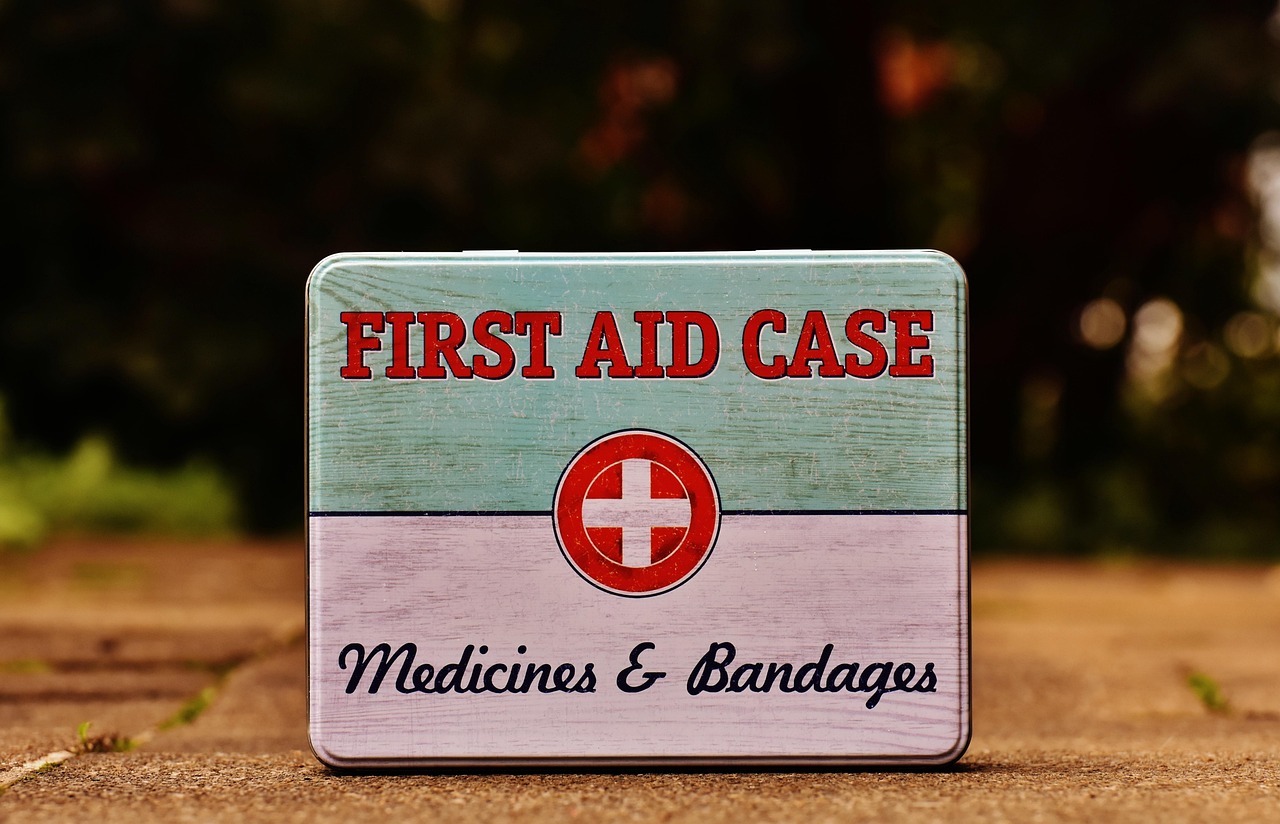
Packing a minimalist first aid kit that matches your training
Your first aid training is the software. Your traveling first aid set is the hardware. They need to match.
Many vacationers bring protruding sets packed with items they do not understand how to utilize, then fail to remember to restock basics. Rather, concentrate on a portable package that sustains what you actually discovered in your fast first aid course or express first aid course.
Here is a simple, tourist friendly design that pairs well with typical https://telegra.ph/First-Aid-Pro-Cannon-Hillside-Comprehensive-First-Aid-and-CPR-Courses-05-11 first aid training:
Wound treatment: adhesive bandages, clean and sterile gauze pads, sticky tape, alcohol wipes or saline skins, and a tiny tube of disinfectant cream. Support and immobilization: a roll of cohesive plaster or elastic wrap, which can sustain strains or safe and secure dressings. Medications: basic pain relief ideal to you, dental rehydration salts, and any type of individual prescriptions in initial packaging. Protection and tools: nitrile gloves, a portable CPR face guard, small scissors, and tweezers. Extras for details trips: if heading to remote or high danger locations, consider extra clean and sterile dressings, an added plaster, or items suggested by your trainer or traveling clinic.Everything needs to fit in a small bag that resides in your daypack, not hidden at the bottom of your travel luggage. A first aid kit only helps if you can reach it when you actually need it.

Where fast courses suit a long journey
If you draw up a typical year of traveling for a digital wanderer, there are all-natural windows where first aid and CPR training fit neatly.
Visa runs and reset periods in local centers are excellent for a complete fast first aid course or integrated first aid and CPR course. You are fixed for a couple of days, commonly near recognized training centers, and mentally in "admin mode".
Long co‑working stays lend themselves to group express cpr training or fast cpr correspondence course. Many carriers will certainly run private sessions for small teams at your area if a number of people are interested, which saves time and makes circumstances extra appropriate to your shared environment.
Family sees back home are good minutes for express child care first aid, particularly for traveling moms and dads or those intending to take nieces and nephews abroad. Getting straightened with local pediatric guidelines likewise helps if you ever need to coordinate with home nation health and wellness services while away.
If you are simply starting your nomad life and still in the house, buy a complete, recognized first aid and cpr course before you go. You can depend on fast correspondence course later to maintain skills upgraded without hunting down long programs across several countries.
A skill set that takes a trip with you
Gear obtains shed. Visas run out. Plans transform at the last minute. Abilities are what really travel with you, silently, behind-the-scenes, into every bus station, hill pass, street market, and shared workspace.
A well chosen fast first aid course or express first aid training will not transform you into a paramedic. It is not indicated to. What it does is bridge the dangerous gap between "I have no idea what to do" and "I can support this circumstance until correct aid is readily available".
For travelers and electronic wanderers, that bridge is worth much more than the moment and cost it requires to go across it.